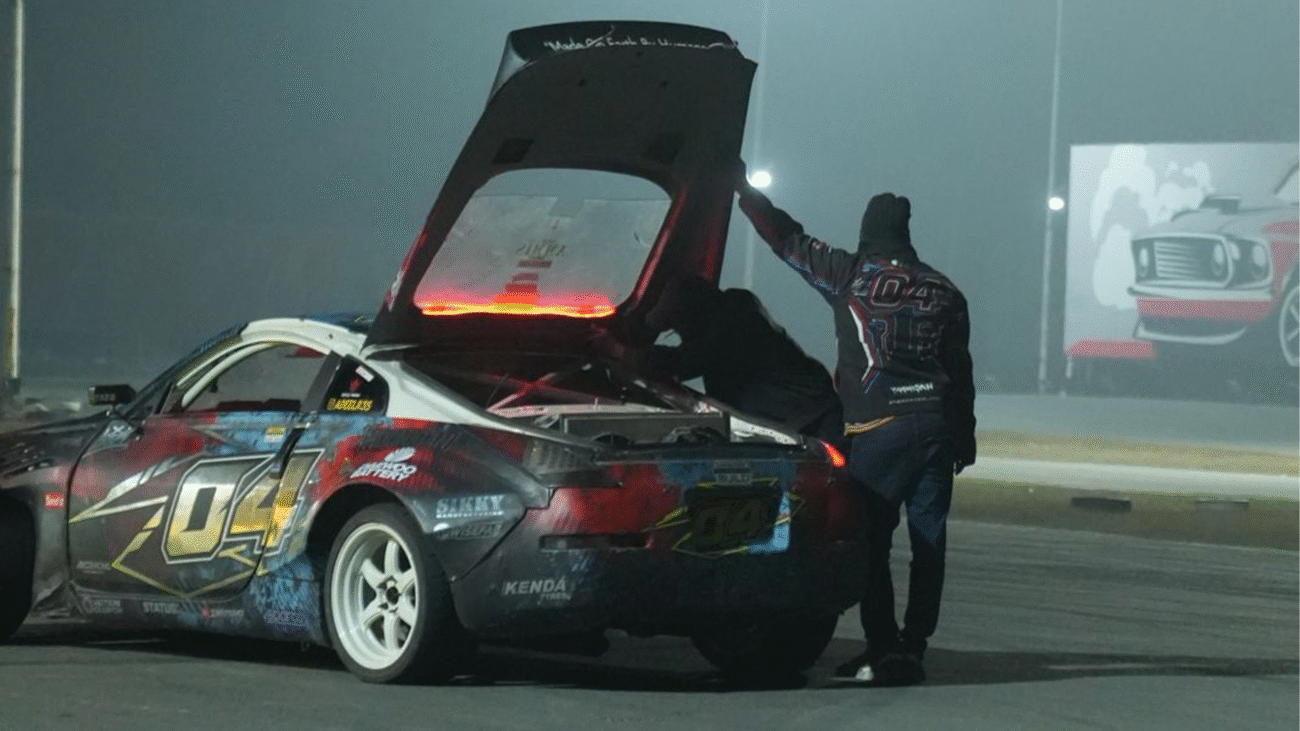


I have a hot take. A motorsport hot take.
I have been training for over a decade now. I bought my first sports car in 2016, and now it’s 2026. Over the years, I’ve met a million people: drivers, mechanics, enthusiasts, and folks who are just getting started. But there’s one assumption that still gets me every time.
That performance automatically improves with upgrades.
Bigger turbo. More power. Better parts. All of this and more can’t help you solve your problems. It sounds logical. I mean, you cannot be wrong to assume that if you add better components to a car, the car should perform better. Not exactly. Because in motorsport, upgrades often expose problems rather than solve them.
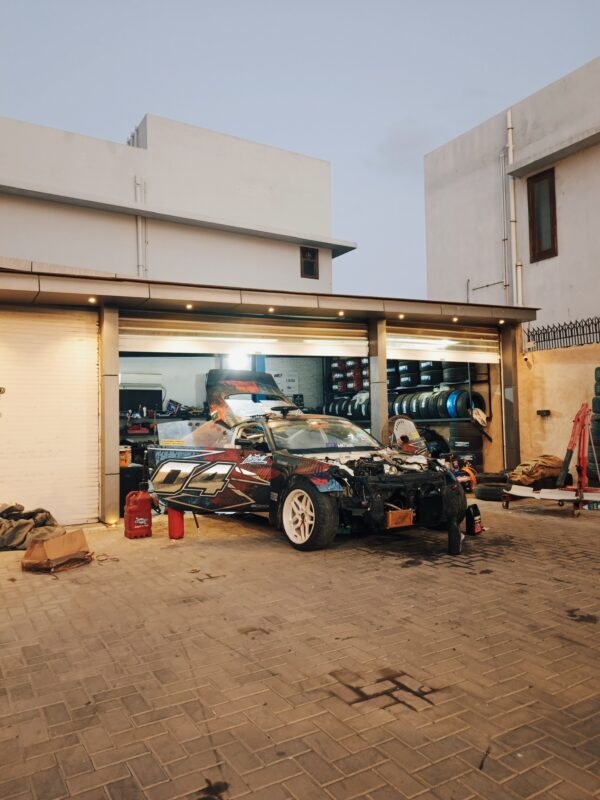

Let’s start with power. Say you’re adding a bigger turbo to a car that already struggles with balance. On paper, the car becomes faster because it produces more horsepower. But in reality, you’ve just created a new problem. The car now reaches higher speeds much more quickly, and suddenly, the braking system feels inconsistent. The chassis might feel unsettled under heavy braking, and the driver starts losing confidence. So, the end of the story is that the power didn’t improve the system; it exposed the weakness in it.
Now, this same logic applies to grip. Many people think installing better tires or increasing grip will automatically make a car faster. But grip changes everything. If the suspension geometry isn’t adjusted to handle that extra grip, the load distribution across the tires changes. This often leads to uneven tire wear, overheating, and inconsistent handling. You think the car might feel amazing for a few laps. But after that, the performance starts to drop.
Then comes the driver factor. If you increase the speed of the car without improving the feedback it provides to the driver, mistakes multiply. The car becomes harder to read. Inputs become more sensitive. What used to be a manageable corner suddenly becomes unpredictable. The driver isn’t necessarily worse; it is the system that just got more complicated without becoming more stable.
This is why this sport teaches a very important principle: performance systems are interconnected.
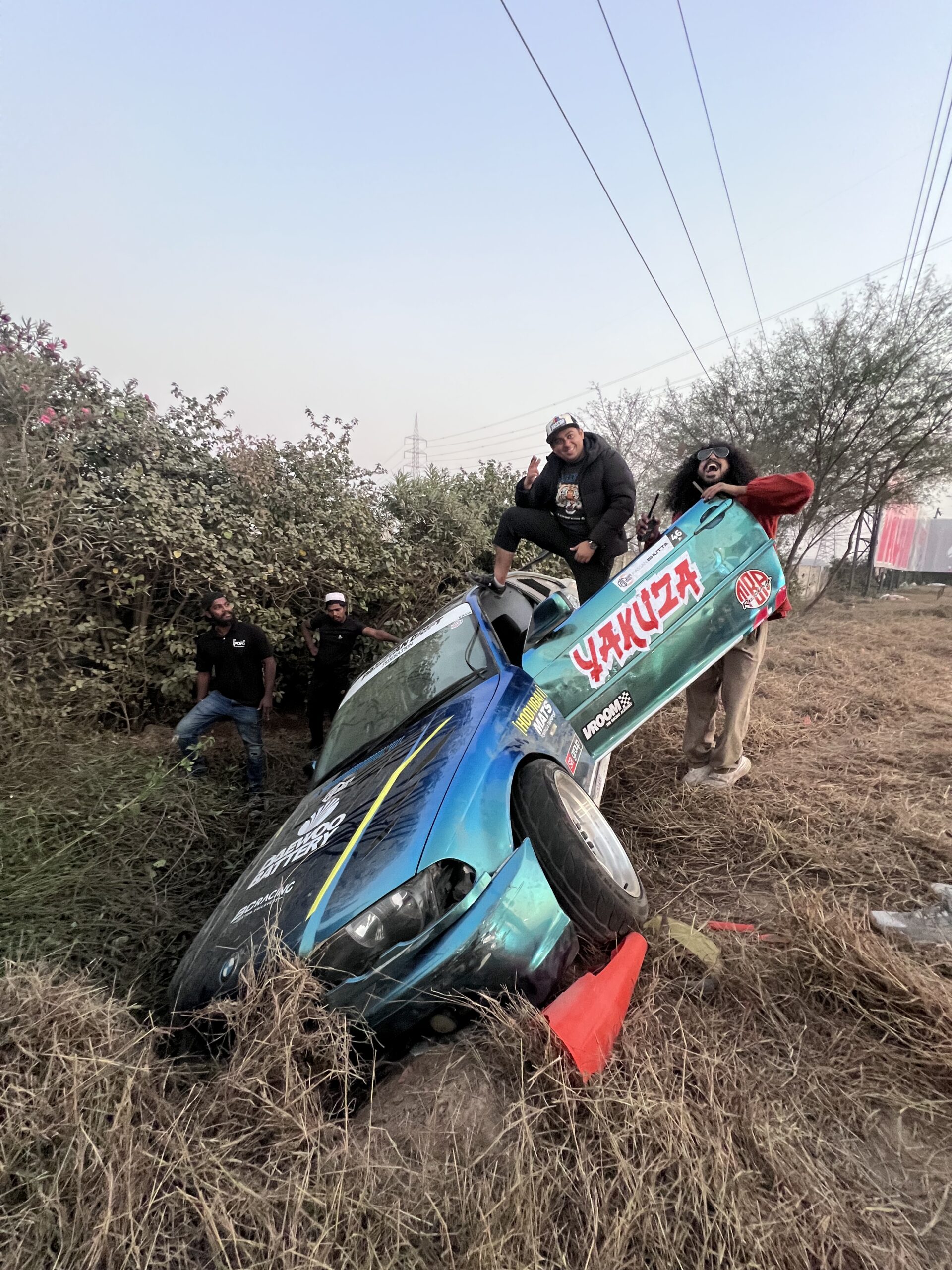
Power, grip, suspension, braking, aerodynamics, and driver input are all part of the same ecosystem. You can’t treat them as separate upgrades. When one variable changes, the rest of the system has to adapt. If it doesn’t, performance doesn’t improve. The problems simply become more visible.
This is why the fastest teams in motorsport rarely start with upgrades. They start by fixing the foundation. They start with stability.
Before adding horsepower, they make sure the car is balanced. Before increasing grip, they make sure the suspension geometry supports it. Before pushing the car harder, they make sure the driver understands how it behaves.
Most of the time, the biggest improvements don’t come from new parts. They come from small adjustments. Alignment changes. Suspension tweaks. Brake balance corrections. Data analysis. Driver feedback. These are not glamorous changes, but they are the ones that help build a predictable system.
And matter of fact, predictability is what actually creates speed.
When a car behaves consistently, the driver can trust it. When the driver trusts the car, they push harder. When the system responds the same way every lap, engineers can measure what is working and what isn’t. That’s when real performance starts to grow.
Interestingly, this pattern doesn’t just exist in motorsport. It shows up in many other areas as well.
You see it in companies that try to scale before their processes stabilize. They hire more people, expand operations, and increase output, but their underlying systems aren’t ready. Lack of communication leads to multiplied inefficiencies, and so the problems grow faster than the business itself.
You see it in teams that add more members before they figure out how to collaborate effectively. More people don’t always mean more productivity. Sometimes it simply means more confusion.
You even see it in products that grow in popularity before the operations behind them are ready. Demand increases, but the systems designed to support that demand struggle to keep up.
In every case, the pattern is the same. Growth exposes weaknesses.


Motorsport just happens to reveal those weaknesses much faster.
When a car enters a corner at higher speeds than before, the system has no choice but to reveal what it can and cannot handle. There’s no hiding from the physics.
That’s why experienced teams approach performance differently.
They are not asking, “What upgrade should we add next?” They are asking, “What problem should we solve next?”
Upgrades become meaningful just because you solve the right problem. In simple words, the fastest machines aren’t built by stacking the most expensive parts together. They’re built by creating balance. So, on today’s episode of lessons, we learn: before chasing the next turbo, the next suspension kit, or the next horsepower figure, ask a simple question:
Is the system ready for it?
Because real performance doesn’t come from adding more. It comes from making everything work together.